
 Dr. Wendy Rose-Hyatt
 Dr. Jake Hyatt
 Dr. Allyson Hyatt
 Dr. Naomi Trause
Preserve Your Smile With Scaling and Root Planning
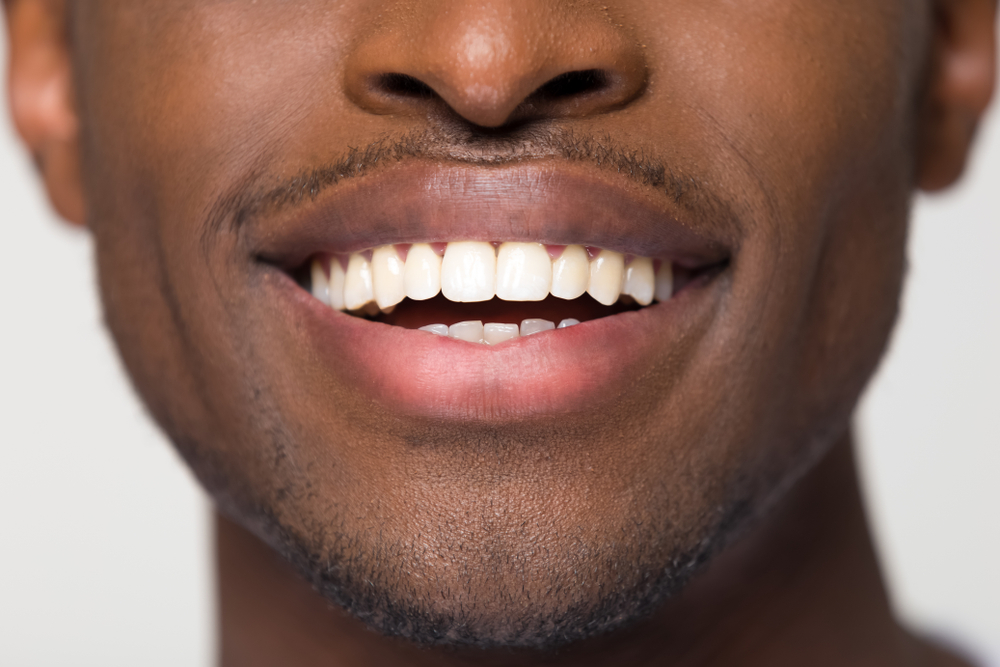
At Caring Dental, we focus on comprehensive dental care that addresses early signs of gum disease and supports long-term oral health. Scaling and root planing is a specialized deep-cleaning procedure designed to remove plaque and bacteria from beneath the gum line, helping prevent tooth loss and maintain healthy gums. Patients throughout Middle River trust our dentists, including Dr. Wendy Rose-Hyatt, Dr. Jake Hyatt, and Dr. Allyson Hyatt, for personalized treatment plans and gentle care.
What is Scaling and Root Planing, and Why Is It Done?
Scaling and root planing is a non-surgical dental procedure used to treat periodontal disease or chronic periodontitis. During this process, a dental hygienist removes hardened plaque buildup and tartar from periodontal pockets around the teeth. The root surfaces are smoothed to encourage the gum tissue to reattach to the roots of the teeth.
The procedure is recommended for patients showing early or moderate signs of gum disease, including bleeding gums, bad breath, and teeth sensitivity. It is a crucial step in preventing tooth loss and supporting long-term periodontal health.
Who Is a Good Candidate for Scaling and Root Planning?
Patients who benefit most from scaling and root planing include those with:
- Moderate to severe gum disease or periodontal pockets deeper than normal, which can harbor bacteria and contribute to tooth loss
- Early signs of chronic periodontitis, including redness, swelling, or bleeding gum tissue
- Plaque buildup along the gum line despite regular brushing and good oral hygiene habits, which can lead to further gum disease if untreated
- Teeth sensitivity or discomfort around the roots of the teeth, often caused by bacterial accumulation or inflamed soft tissue
Additional factors that may make patients good candidates include a history of bleeding gums, bad breath, or a family history of periodontal disease.
During the first step of treatment, our team performs a thorough examination using a periodontal probe and evaluates the extent of your gum disease across all treated areas. This comprehensive assessment allows our dentists, to develop a personalized treatment plan tailored to your oral health needs, ensuring both oral tissue health and long-term periodontal stability.
How Does Scaling and Root Planing Help Treat Gum Disease?
Periodontal scaling removes plaque and tartar that harbor bacteria, reducing inflammation and promoting healthy gums. Root planing smooths the root surfaces, allowing the tissue to reattach to the teeth. This reduces pocket depth, prevents further progression of gum disease, and can lower the risk of systemic issues, such as heart disease, linked to chronic oral inflammation.
When performed early, scaling and root planing can reduce teeth sensitivity, eliminate bad breath, and improve overall oral hygiene.
What Should I Expect During a Scaling and Root Planing Procedure?
The procedure is typically completed in one or more visits, depending on the number of areas affected.
- Local anesthesia or a local anesthetic is applied to minimize discomfort.
- The dental hygienist uses specialized dental scalers and water spray to remove plaque buildup and tartar from both above and below the gum line.
- Root planing smooths the roots of the teeth, helping the tissue reattach naturally.
- Patients may notice mild teeth sensitivity or tenderness immediately after the procedure.
In more severe cases, a full mouth debridement or multiple professional cleanings may be required to achieve optimal results.
Is Scaling and Root Planing Painful or Uncomfortable?
While some patients in Middle River, MD, experience mild discomfort during deep cleaning, the use of local anesthesia ensures the procedure is generally well-tolerated. After treatment, over-the-counter pain relievers and soft foods can help manage any temporary gum sensitivity. Many patients find the relief from inflammation and bleeding gums outweighs the brief discomfort of the procedure.
Are There Any Risks or Side Effects After Scaling and Root Planing?
Although scaling and root planing is a safe, non-invasive treatments, some side effects can occur:
- Temporary gum tenderness or minor bleeding – This is common around areas where plaque buildup and tartar were removed.
- Teeth sensitivity to hot or cold – The roots may be slightly exposed after root planing, causing brief discomfort.
- Mild swelling of gum tissue – Your gum line may feel puffy or inflamed during the healing process.
These effects are usually short-lived and resolve with proper home care, soft foods, and consistent good oral hygiene habits. In rare cases, some patients may experience slight irritation or discomfort that lasts a few extra days, which can be managed with over-the-counter pain relievers recommended by your dentist. Regular follow-up appointments help ensure complete healing and optimal periodontal health.
How Should I Take Care of My Teeth and Gums After Scaling and Root Planing?
Proper aftercare is essential for long-term results. Recommendations include:
- Maintain regular brushing and flossing to keep gum tissue clean
- Use an antibacterial mouthwash as recommended to reduce bacteria
- Stick to soft foods for a few days to protect treated areas
- Attend follow-up dental visits to monitor healing and pocket depth
- Avoid invasive dental treatments or hard chewing until the healing process is complete
Following these steps supports periodontal health, promotes healing, and helps prevent recurrence of gum disease.
The Importance of Follow-Up Care After Scaling and Root Planing
After completing a scaling and root planing procedure, follow-up care is essential to ensure the gum tissue heals properly and to maintain your periodontal health. During the healing process, the gums may feel slightly tender or swollen, and some tooth sensitivity is normal. Our dentists in Middle River, MD, including Dr. Wendy Rose-Hyatt, Dr. Jake Hyatt, Dr. Larry Amsterdam, and Dr. Allyson Hyatt, closely monitor your recovery to prevent complications and evaluate treatment success.
Patients are typically scheduled for follow-up visits to assess pocket depth, evaluate gum tissue attachment, and ensure plaque buildup does not recur. These appointments also allow the dental team to reinforce proper oral hygiene techniques, including regular brushing with fluoride toothpaste, careful flossing around the gum line, and the use of antibacterial mouthwash when appropriate.
Maintaining good habits at home is critical for long-term results. Avoiding hard or crunchy foods in the days following treatment, sticking to soft foods when recommended, and maintaining routine professional cleanings can significantly reduce the risk of recurring periodontal disease. Consistent care protects your teeth roots, supports healthy gums, and preserves your overall oral health, helping you prevent tooth loss and maintain a confident, comfortable smile.
Trusted Scaling and Root Planing in Middle River, MD
At Caring Dental, our dentists—Dr. Wendy Rose-Hyatt, Dr. Jake Hyatt, Dr. Larry Amsterdam, and Dr. Allyson Hyatt—prioritize your gum health and long-term oral hygiene. Patients throughout Middle River, MD, trust our team to provide gentle, thorough deep cleaning procedures and expert guidance on maintaining healthy gums and preventing tooth loss.
If you’re experiencing bleeding gums, bad breath, or signs of periodontal disease, our team can create a personalized treatment plan to restore your gum health and preserve your smile. Call us at 410-687-2777 to schedule an appointment!
Frequently Asked Questions
How long does it take to see results after scaling and root planing?
Many patients begin to notice improvements, like reduced bleeding and less gum tenderness, within a few days. However, full healing and gum reattachment can take a few weeks. As your gums heal, you should also notice fresher breath and improved comfort when brushing and flossing.
Will I need antibiotics after scaling and root planing?
In some cases, your dentist may recommend an antibacterial rinse or localized antibiotics to help control bacteria and support healing. Not every patient needs them, but they can be helpful if there are signs of infection or more advanced gum disease.
How often will I need scaling and root planing?
This depends on the severity of your gum condition. Some patients only need the treatment once, while others may require ongoing periodontal maintenance to keep gum disease under control. Regular follow-up visits help determine what’s best for your long-term oral health.
Can scaling and root planing reverse gum disease?
This treatment doesn’t fully “cure” advanced gum disease, but it can stop or slow its progression. By removing bacteria and smoothing the root surfaces, it creates a healthier environment for your gums and helps prevent further damage.