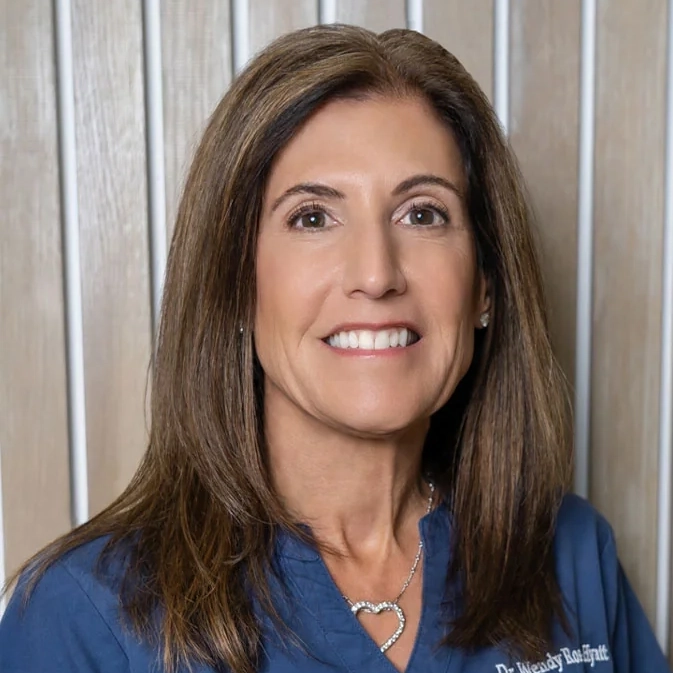
 Dr. Wendy Rose-Hyatt
 Dr. Jake Hyatt
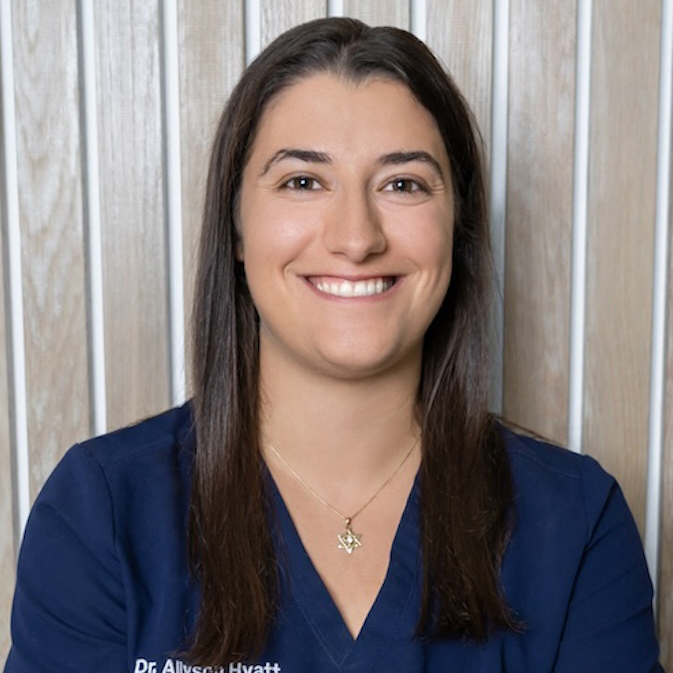 Dr. Allyson Hyatt
 Dr. Naomi Trause
Retainers: Protecting Your Smile After Orthodontic Treatment
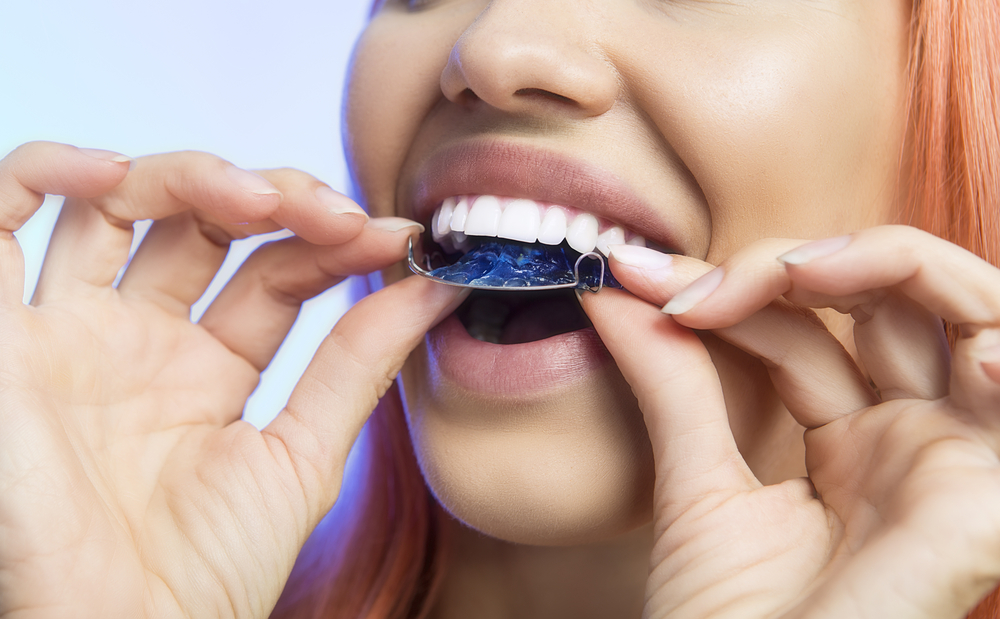
Completing orthodontic treatment is a major milestone, but keeping your teeth in their new positions is just as important as the treatment itself. Dental retainers play a critical role in preserving the alignment of your teeth and protecting the time and effort invested in braces or clear aligners. At Caring Dental in Middle River, MD, our team helps patients maintain a beautiful smile with custom retainers designed for comfort, durability, and long-term oral health.
Dr. Wendy Rose-Hyatt, Dr. Jake Hyatt, and Dr. Allyson Hyatt provide personalized dental care for patients. Retainers are an essential part of your long-term treatment plan, helping protect your oral health and your confident smile for years to come.
What Is a Teeth Retainer and Why Do People Need One?
A teeth retainer is an orthodontic appliance worn after the end of your orthodontic treatment to help maintain the alignment of your teeth. Once braces or clear aligners are removed, teeth naturally want to shift back toward their original positions. The purpose of a retainer is to hold teeth in their new positions while the surrounding bone and connective tissue stabilize.
Without orthodontic retainers, even minor movement can impact the appearance of your smile, your bite, and overall oral health. Retainers also help reduce the risk of crowding, uneven spacing, and bite changes that can contribute to tooth decay, gum disease, and bad breath over time.
At Caring Dental, our dentists emphasize retention as the best way to protect your investment and support long-term dental health.
Types of Orthodontic Retainers Available After Braces
There are several kinds of retainers available, and the right choice depends on your orthodontic history, lifestyle, and dental needs. Our team will review the different types of retainers and recommend the best option for your smile.
Clear Retainers
A clear retainer is a popular and common type of retainer made from transparent plastic. These are similar in appearance to clear aligners and fit snugly over your teeth.
Benefits include:
- Discreet appearance
- Comfortable fit
- Easy to remove for eating and cleaning
Clear retainers are custom-made using dental impressions or a digital impression of your teeth. While effective, they may wear out over a long time and need replacement.
Hawley Retainers
Hawley retainers are traditional wire retainers made with a metal wire across the front teeth and an acrylic base that sits inside of the teeth.
Key features:
- Adjustable metal wire
- Durable design
- Suitable for upper or lower teeth
These removable retainers are known for their longevity and are often considered one of the most durable types of removable retainers.
Permanent Retainers
A permanent retainer is a thin metal wire bonded to the inside of the teeth, typically along the bottom teeth or lower teeth.
Advantages include:
- Always working without removal
- Ideal for preventing movement in high-risk areas
- Hidden from view
Permanent retainers require excellent oral hygiene to prevent plaque buildup, but they are an effective long-term solution for many patients in Middle River, MD.
Clear Retainers vs. Traditional Retainers: What’s the Difference?
Clear retainers and traditional wire retainers both serve the same purpose, but they differ in appearance, maintenance, and durability. Clear retainers are nearly invisible and often preferred for cosmetic reasons, while wire retainers, like Hawley retainers, are adjustable and more resistant to cracking.
Our dentists at Caring Dental help patients weigh comfort, appearance, and lifestyle factors when choosing between these types of orthodontic retainers.
How Long Do I Need to Wear a Retainer After Braces?
The amount of time you need to wear a retainer varies, but most patients are advised to wear their retainer full-time immediately after orthodontic treatment, then transition to nighttime wear. For many people, wearing a retainer at night becomes part of their routine for the rest of their lives.
Teeth can shift even years after orthodontic treatments end. Wearing your retainer as directed is the best way to maintain a perfect smile and avoid needing additional dental work later.
What Happens If I Stop Wearing My Retainer?
If you stop wearing your retainer, your teeth may gradually shift out of alignment. This movement can affect the alignment of your teeth, your bite, and the appearance of your smile. In some cases, patients may need a new retainer or even additional orthodontic treatment to correct unwanted changes.
Consistent retainer wear helps prevent relapse and protects both your tooth enamel and overall oral health.
Caring for Your Retainer: Keeping It Clean and Functional
Proper care is essential for keeping dental retainers effective and hygienic. Whether you have a removable retainer or a permanent retainer, good oral hygiene habits matter.
Tips for retainer care include:
- Rinse removable retainers after removal
- Clean daily using gentle dental care products
- Store in a retainer case when not in use
- Avoid heat that can warp clear retainers
- Brush carefully around permanent retainers
Keeping your retainer clean helps prevent bad breath, plaque buildup, and tooth decay.
Retainers and Overall Oral Health
Wearing your retainer supports more than just straight teeth. Proper alignment makes teeth easier to clean, supports healthy gums, and reduces the risk of gum disease. Retainers also help preserve the results of orthodontic treatments and protect your long-term dental care goals.
Our dentists at Caring Dental in Middle River, MD, often remind patients that retention is vital to maintaining a beautiful smile and a healthy mouth.
When Do You Need a New Retainer?
Over time, retainers can wear out, crack, or lose their fit. If your retainer feels loose, uncomfortable, or damaged, it may be time to replace it. Dental impressions or digital scans allow our team to create custom retainers that fit comfortably and function properly.
Replacing a retainer promptly helps prevent tooth movement and protects the results of your orthodontic care.
Retainers as Part of Your Long-Term Dental Care Plan
Retainers are often used alongside other protective dental appliances, such as night guards, to support oral health and prevent dental issues. Whether you have completed orthodontic treatment recently or years ago, our team can help evaluate your current retainer and ensure it still meets your needs.
Patients trust Dr. Wendy Rose-Hyatt, Dr. Jake Hyatt, and Dr. Allyson Hyatt for comprehensive dental care that supports both function and appearance.
Protect Your Smile for Years to Come
Retainers are a simple yet powerful way to protect the alignment of your teeth and preserve the results of orthodontic treatment. With the right type of retainer and proper care, you can enjoy a confident, healthy smile for years to come.
Call us at 410-687-2777 to schedule an appointment! Our team at Caring Dental in Middle River, MD, is here to help you maintain your smile at every stage of life.
Frequently Asked Questions
Why does my retainer feel uncomfortable at first after getting it?
A new retainer may feel slightly unusual or snug at first as your mouth adjusts. This is normal and typically improves within a short period. If discomfort persists or worsens, it may indicate the need for an adjustment.
What happens if I don’t wear my retainer regularly?
If a retainer is not worn as directed, teeth can gradually shift back toward their original positions. Even small changes in alignment can affect how your bite fits together, and in some cases, the retainer may no longer fit properly if too much movement occurs.
Is it normal for a retainer to feel tight after not wearing it for a while?
Yes, mild tightness is common if you haven’t worn your retainer for a while. This usually indicates that your teeth have started to shift slightly. However, significant discomfort or inability to fully seat the retainer should be evaluated by our team.
Can I eat or drink anything while wearing my retainer?
It is best to remove removable retainers before eating or drinking anything other than water. Food and beverages can damage the material or lead to buildup that affects both the retainer and oral hygiene.
What should I do if I lose or damage my retainer?
If your retainer is lost or damaged, it’s important to contact the office as soon as possible. The longer you go without wearing it, the greater the chance of tooth movement, so replacing it quickly helps protect your alignment.