
 Dr. Wendy Rose-Hyatt
 Dr. Jake Hyatt
 Dr. Allyson Hyatt
 Dr. Naomi Trause
Habit Appliances: Helping Kids Break Harmful Oral Habits
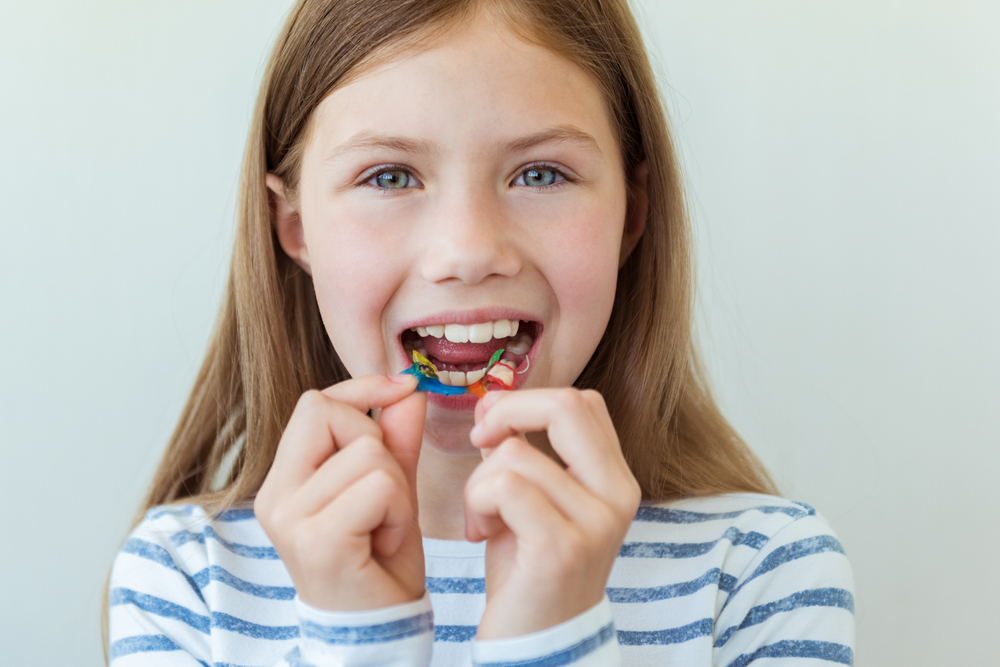
Harmful oral habits like thumb sucking and tongue thrusting can affect a child’s smile long after the habit itself seems harmless. At Caring Dental, our team provides dental habit appliances to support healthy oral development and proper tooth alignment for children in Middle River and surrounding communities. Early intervention can make a meaningful difference in jaw growth, bite alignment, and long-term oral health.
Dr. Wendy Rose-Hyatt, Dr. Jake Hyatt, and Dr. Allyson Hyatt help families address common oral habits before they lead to orthodontic issues or changes in jaw development.
What Are Habit Appliances?
Dental habit appliances are orthodontic devices designed to discourage harmful oral habits such as thumb sucking, prolonged pacifier use, and tongue thrusting. These habits often develop during the early years of life and may continue as permanent teeth begin to erupt. While common, these behaviors can place pressure on the front teeth, the roof of the mouth, and the dental arch, increasing the risk of open bites, overbites, and misalignment.
Habit appliances work by gently interrupting the mechanics of the habit. For thumb sucking, the appliance removes the comfortable suction that reinforces the behavior. For tongue thrusting, it blocks improper tongue placement against the front teeth and encourages the tongue to rest in a healthier position along the palate.
Over time, these changes help retrain muscle memory and promote proper swallowing patterns. Many children adjust quickly, allowing the habit to fade naturally without discomfort or stress.
How Harmful Oral Habits Affect Development
Thumb sucking, tongue thrusting, and similar oral habits can interfere with normal jaw growth and tooth alignment. Continued pressure on the front teeth may push them forward or prevent them from erupting properly, leading to anterior open bites or malocclusion. In some children, these habits also affect the position of the lower lip or tongue during swallowing and speech.
When left uncorrected, harmful oral habits may contribute to orthodontic issues that require braces or expanders in the future. Addressing these habits early helps protect a child’s oral health and supports a more balanced bite as the jaws develop.
Habit Appliances vs. Other Orthodontic Devices
While braces and other orthodontic appliances focus on moving teeth into alignment, habit appliances are designed to correct behaviors that cause misalignment in the first place. They do not apply force to shift teeth; instead, they remove the underlying cause of orthodontic problems.
By addressing oral habits early, habit appliances may reduce the complexity or duration of future orthodontic treatment. In some cases, they help prevent the need for braces altogether.
Common Types of Habit Appliances
Several types of dental habit appliances are available, and each is designed to address specific oral habits and developmental concerns. The right type of appliance depends on your child’s unique needs, the habit involved, and the stage of oral development. Our Middle River dentists carefully evaluate these factors to recommend the most effective and comfortable solution for lasting correction.
Tongue Crib Appliances
A tongue crib uses a small metal wire framework positioned behind the front teeth to prevent the tongue from pushing forward. This appliance is commonly used to correct tongue thrusting habits and anterior open bites.
Bluegrass Appliance
The Bluegrass appliance includes a small bead that spins along a wire on the palate. It redirects a child’s focus and provides a soothing alternative to thumb sucking without using discomfort as a deterrent.
Lip Bumpers
Lip bumpers reduce pressure from the lower lip on the front teeth, helping correct issues that affect lower front teeth alignment and jaw growth.
Fixed Habit Appliances
Fixed appliances are cemented in place and work continuously without relying on patient compliance. These are often recommended for persistent habits or younger children.
Signs Your Child May Need a Habit Appliance
Some oral habits are part of normal development, but when they continue past early childhood, they can begin to affect your child’s bite, jaw growth, and overall oral health. A dental oral appliance may be recommended if you notice one or more of the following signs:
- Ongoing thumb sucking or finger sucking beyond age four
- Prolonged pacifier use that continues after permanent teeth begin to erupt
- Tongue thrusting during swallowing or when the mouth is at rest
- Front teeth that appear spaced, flared forward, or do not touch when biting
- An open bite or noticeable changes in how the upper and lower teeth meet
- Speech difficulties or trouble biting into certain foods
A dental evaluation allows our team to determine whether a habit appliance could help support healthier oral development.
How Long Does a Child Need to Wear a Habit Appliance?
The duration varies based on the habit, the child’s age, and the consistency of improvement. Many children wear an oral appliance for several months, while others may need it for up to a year. The goal is not just to stop the habit but to ensure it does not return.
Regular follow-up visits allow our Middle River, MD team to monitor progress and adjust treatment as needed.
Fitting and Installing a Habit Appliance
Fitting and installing a dental appliance is a thoughtful, step-by-step process designed to ensure your child’s comfort. It begins with a comprehensive dental exam, where our dentists evaluate oral habits, tooth alignment, and jaw development. Impressions or digital scans of your child’s mouth are taken to ensure the appliance is custom-made for a precise, secure fit.
Once the appliance is ready, it is gently placed during a follow-up visit. We carefully check positioning to confirm the appliance sits correctly without irritating the gums, tongue, or surrounding teeth. Parents and children are guided through what to expect during the first few days, including how the appliance may feel and how it helps discourage harmful oral habits.
Most children adjust quickly, often within a week. Any mild soreness or speech changes are temporary and typically resolve as the mouth adapts.
Caring for A Dental Habit Appliance
Habit appliances require basic care to remain effective and comfortable. Children should brush carefully around the appliance and avoid hard or sticky foods that could bend the metal wire. Regular dental checkups help ensure the appliance stays clean and properly positioned.
Good dental hygiene habits support both the appliance and overall dental health during treatment.
Why Early Correction Matters
Addressing harmful oral habits early supports healthier jaw development, proper tooth alignment, and a more confident smile. Early correction can reduce the need for more extensive orthodontic treatment and help children develop better mouth habits that last into adulthood.
At Caring Dental, Dr. Wendy Rose-Hyatt, Dr. Jake Hyatt, and Dr. Allyson Hyatt are committed to guiding families through proactive, child-focused care.
Help Your Child Achieve a Healthier Smile
If you are concerned about thumb sucking, tongue thrusting, or other oral habits, our team is here to help. Call us at 410-687-2777 to schedule an appointment and learn how dental appliances can support healthier oral development for your child in Middle River, MD.
Frequently Asked Questions
How long does someone typically need to wear an oral habit appliance?
The length of treatment varies depending on the habit and how long it has been present. Some patients only need the appliance for a few months, while others may require longer use to fully break the habit and support lasting changes in oral function.
Will an oral habit appliance affect eating or speaking?
There may be a short adjustment period when the appliance is first placed. Some patients notice mild changes in speech or eating at first, but most adjust quickly as they become accustomed to the appliance in their mouth.
Is an oral habit appliance uncomfortable to wear?
Most patients experience only mild discomfort or awareness at first. This typically improves as the mouth adjusts. The appliance is designed to gently discourage the habit rather than cause pain, and any initial irritation usually resolves within a short period.
What happens if the habit returns after the appliance is removed?
In some cases, habits can reappear if underlying causes are not fully addressed. If this happens, your dentist may recommend additional support, monitoring, or reinforcement strategies to help maintain long-term results.