
 Dr. Wendy Rose-Hyatt
 Dr. Jake Hyatt
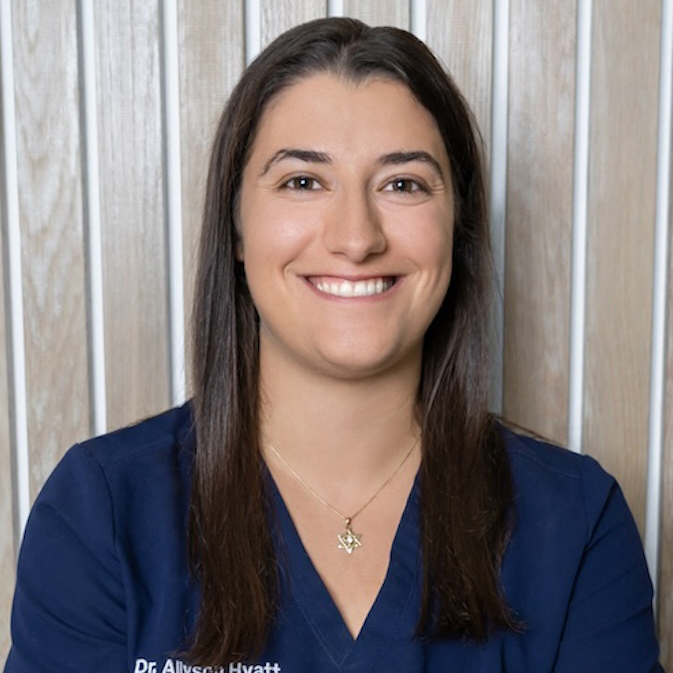 Dr. Allyson Hyatt
 Dr. Naomi Trause
Oral Surgery Care Focused on Comfort, Health, and Healing
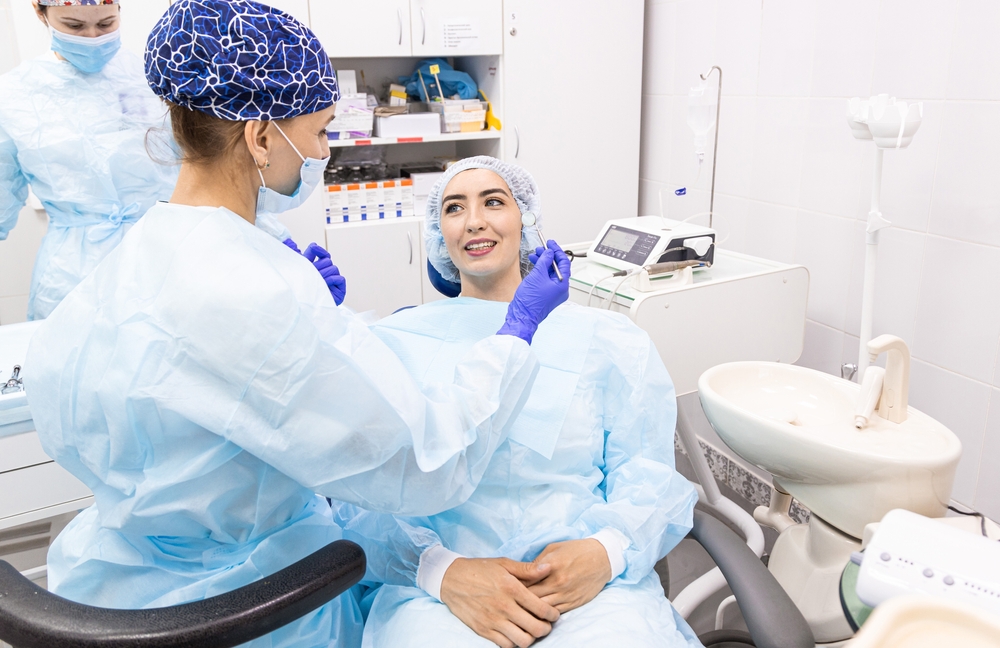
Oral surgery plays an important role in maintaining long-term oral health, relieving pain, and restoring proper function when more conservative dental treatments are not enough. At Caring Dental in Middle River, MD, our team provides a range of oral surgery procedures in a familiar, supportive dental setting. Our dentists are trained to perform common oral surgery procedures safely and comfortably as part of comprehensive oral care.
Dr. Wendy Rose-Hyatt, Dr. Jake Hyatt, Dr. Allyson Hyatt, and our team focus on patient education, gentle techniques, and personalized treatment planning. Whether you need a tooth extraction, wisdom teeth removal, or preparation for dental implants, our dental office is committed to protecting your comfort and overall oral health.
Understanding Oral Surgery in a General Dental Office
Oral surgery refers to dental procedures that involve surgical treatment of the teeth, gums, jawbone, or surrounding oral cavity. These procedures are often recommended when oral health issues cannot be resolved with routine dental services such as fillings or cleanings. At Caring Dental, oral surgery is carefully planned to address both immediate concerns and long-term oral health goals.
Unlike routine dental procedures, oral surgery typically involves local anesthesia or sedation options to ensure patient comfort. Our dentists evaluate your oral health, medical history, and specific needs before recommending any type of oral surgery procedure.
Common Reasons Oral Surgery May Be Needed
Oral surgery may be recommended for a variety of conditions that affect oral function, comfort, and health. Some of the most common reasons patients require oral surgery include advanced tooth decay, gum disease, bite issues, or tooth loss.
Conditions that often require oral surgery include:
- Severely damaged or infected natural teeth
- Impacted or painful wisdom teeth
- Missing teeth requiring dental implant surgery
- Bone loss affecting jaw stability
- Severe gum disease affecting the gum tissue and bone
Addressing these concerns through timely oral surgery can prevent worsening oral health issues and support optimal oral health.
What Are the Most Common Types of Oral Surgery Procedures?
Our experienced team performs several of the most common types of oral surgery procedures in a comfortable, familiar environment.
Simple Extractions
Tooth extractions are among the most common oral surgery procedures. Simple extractions are typically recommended when a tooth is severely decayed, damaged, or contributing to gum disease. Removing the tooth helps relieve pain and protects surrounding teeth and gum tissue.
Surgical Extractions
Surgical extractions are recommended when a tooth cannot be removed with a simple extraction, often because it is broken at the gum line, impacted, or not fully erupted. This common oral surgery procedure allows our dentists to carefully access the tooth and surrounding gum tissue, safely remove the problem area, and protect the extraction site for proper healing and long-term oral health.
Wisdom Teeth Removal
Wisdom teeth, also known as third molars, often require removal when they become impacted, overcrowded, or painful. Wisdom tooth removal helps prevent infection, bite issues, and damage to nearby teeth.
Dental Implant Surgery and Socket Preservation
Dental implant surgery involves placing a titanium post into the jawbone to replace a missing tooth. In some cases, socket preservation is performed at the extraction site to reduce bone loss and prepare the area for future implant placement.
Bone Grafting
Bone grafting may be recommended when bone loss has occurred due to missing teeth, gum disease, or trauma. A bone graft helps rebuild jawbone structure and supports dental implants or long-term oral health.
How Oral Surgery Differs from Regular Dental Procedures
Oral surgery differs from routine oral care because it involves surgical access to deeper structures such as the jawbone or soft tissues. While cleanings and fillings focus on maintaining surface-level oral health, oral surgery addresses more complex issues within the oral cavity.
These procedures often require local anesthesia, nitrous oxide, or other sedation options. Healing time is also a factor, as the body needs time to recover after surgical treatment. Our Middle River, MD dentists take a conservative, thoughtful approach to determine when oral surgery is truly necessary.
The Benefits of Oral Surgery for Long-Term Oral Health
When recommended appropriately, oral surgery offers significant benefits for both comfort and function. Addressing underlying oral health issues can improve quality of life and prevent more serious complications.
Benefits of oral surgery may include:
- Relief from chronic pain or infection
- Restoration of proper bite alignment
- Improved ability to chew and speak comfortably
- Prevention of further bone loss
- Support for dental implants and tooth replacement
- Improved overall oral health and hygiene
Our team at Caring Dental focuses on outcomes that support long-term dental health, not just short-term solutions.
Preparing for an Oral Surgery Procedure
Before any oral surgery procedure, our dentists perform a thorough dental exam and review your health history. This includes discussing medications, existing health conditions, and any prior dental surgery.
Patients receive detailed pre-operative instructions, including guidance on eating, drinking, and medication use. Sedation options such as local anesthesia or nitrous oxide may be recommended depending on the type of oral surgery and patient comfort level.
What Is the Recovery Process Like After Oral Surgery?
Recovery after oral surgery varies depending on the type of procedure performed. Most patients experience mild swelling, tenderness, or discomfort at the extraction site or surgical area.
Pain medication may be prescribed or recommended to manage discomfort during the healing process. Patients are typically advised to:
- Rest for the first 24–48 hours
- Avoid strenuous activity
- Eat soft foods
- Practice good oral hygiene without disturbing the surgical site
Following post-operative instructions closely supports proper healing and reduces the risk of complications.
Managing Pain and Comfort During Healing
Managing discomfort after dental surgery is an important part of recovery. Our dentists provide guidance on pain relief, swelling management, and post-surgical care.
Ice packs, prescribed or over-the-counter pain medication, and gentle oral hygiene practices help protect the extraction site and promote healing. If symptoms persist or worsen, patients are encouraged to contact our dental office promptly.
Who Is a Good Candidate for Oral Surgery?
Patients who experience persistent pain, infection, or structural oral health issues may be good candidates for oral surgery. Factors such as overall health, bone condition, and oral hygiene habits are considered during evaluation.
Our dentists assess each patient individually to determine the safest and most effective course of treatment. In severe cases, oral surgery may be the best option to restore comfort and function.
Compassionate Oral Surgery Care in Middle River, MD
At Caring Dental, oral surgery is approached with care, clarity, and a strong focus on patient comfort. Dr. Wendy Rose-Hyatt, Dr. Jake Hyatt, and Dr. Allyson Hyatt work together to provide safe, effective treatment options tailored to each patient’s needs.
If you are experiencing oral health issues or believe oral surgery may be part of your treatment plan, our dental team is here to help. Call us at 410-687-2777 to schedule an appointment and learn more about oral surgery options. We are here to support your comfort, health, and confidence at every step.
Frequently Asked Questions
Will I need a referral for oral surgery?
In many cases, Caring Dental can evaluate your needs first and determine whether oral surgery is required. If a specialist is needed, we coordinate care to ensure you’re connected with the right provider and fully informed about your next steps.
How do I know if oral surgery is the right treatment option?
Oral surgery is typically recommended when a dental issue cannot be fully resolved with routine care or restorative treatments. During your exam, we carefully evaluate your symptoms, imaging, and overall oral health to determine whether surgery is the most effective way to restore comfort, function, and long-term stability.
How do I prepare for an oral surgery appointment?
Before your procedure, you may receive specific instructions based on your treatment plan. This can include guidelines about eating, medications, and arranging transportation if sedation is involved. Following these directions closely helps ensure a smooth and safe procedure.
Can I return to normal activities the next day?
This depends on the type and complexity of your procedure. Some patients can resume light daily activities quickly, while others may need more time to rest. Your dentist will let you know what to expect based on your specific treatment.