
 Dr. Wendy Rose-Hyatt
 Dr. Jake Hyatt
 Dr. Allyson Hyatt
 Dr. Naomi Trause
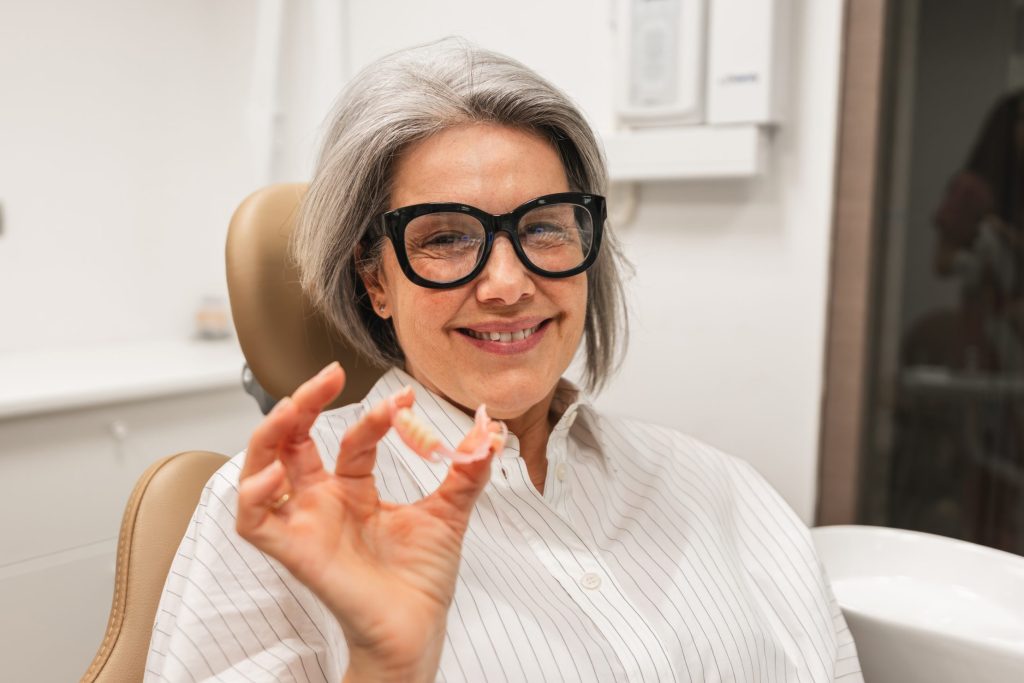
If you’ve noticed loose dentures during a holiday meal, you’re not alone. Chewier foods, longer meals, and more conversation can highlight small changes in your denture fit that were easy to ignore day to day. Dentures are designed to help you enjoy life with confidence, so when they shift while you eat or speak, it can be frustrating and distracting.
At Caring Dental, we remind denture wearers in Middle River, MD that denture fit can change over time, even with great care. The good news is that many stability concerns have clear, practical treatment options once we identify the cause. A quick check can help protect your comfort, oral health, and the condition of the denture itself.
Why do loose dentures happen even if you had a good fit at first?
Dentures rely on your supporting tissues, the shape of your gums, and the denture base to stay stable. After tooth loss, your mouth continues to change, especially in the first months and years. These changes can affect denture retention for both upper and lower dentures.
Dentures can also wear down from daily use, just like the soles of a shoe. Small changes in fit may start as mild looseness and gradually become more noticeable with certain foods. Depending on your bite and anatomy, a loose denture can show up as rocking, clicking, or sliding when you chew.
What are the most common reasons dentures move when you eat?
Several common reasons can contribute to loose dentures, and more than one factor can be involved at the same time. Here are the most common reasons we discuss during regular dental visits:
- Bone loss and bone resorption: After tooth loss, the jawbone no longer gets stimulation from a tooth root. Over time, bone resorption can change the ridge your denture sits on, affecting stability and leading to a loose denture.
- Changes in the shape of your gums: Your gums can remodel over time, altering the foundation that once matched your denture closely.
- Weight loss or health problems: Weight loss can change facial and gum tissues, and some health problems can affect the fit and feel of removable dentures.
- Dry mouth: Reduced saliva can make it harder for traditional dentures to “seal” and stay in place, especially on the lower denture where suction is limited.
- Wear or warping of the denture: Teeth can wear down, and the denture base can subtly change over time, affecting how evenly it contacts your gums.
- Food particles under the denture: Even with proper denture care, food particles can slip under the edges and cause lifting, rubbing, or sore spots.
If you’re unsure what’s causing the movement, a professional evaluation helps clarify the reasons in your specific situation, without guesswork.
Are denture adhesives a “right solution” for loose dentures?
Denture adhesive can be helpful in some situations, but it should never be used to mask a poor denture fit. The American Dental Association notes that adhesives are not a solution for poorly fitting dentures and that dentures that become unstable, uncomfortable, or difficult to retain should be professionally evaluated.
If you find yourself increasing the use of adhesive, switching brands, or looking for a stronger adhesive just to get through meals, that pattern can be a sign your denture fit has changed. Adhesive cannot correct underlying bone loss or a denture that no longer matches the supporting tissues. In many cases, the right solution is an adjustment, reline, or a discussion about implant-supported options.
What signs suggest you should have your denture fit checked?
A few symptoms can feel minor but still point to additional problems developing under the surface. If you notice any of the following, it’s worth scheduling regular checkups and asking about your options:
- New sore spots, pinching, or rubbing that wasn’t there before
- Clicking, rocking, or lifting while you chew
- A feeling that you need to “bite down” to keep dentures steady
- Trouble eating foods you used to manage comfortably
- Ongoing irritation that affects your oral health routine
Some patients also notice changes in speech or confidence. That matters too. Comfort and communication are a big part of our approach at Caring Dental, and we want you to feel comfortable telling us what you’re experiencing.
Can loose dentures cause other dental health concerns over the long term?
Can loose dentures cause sore spots and irritation?
Yes, in some cases. When dentures move, pressure can concentrate in certain areas and lead to sore spots. Those irritated areas can make it harder to wear your dentures comfortably, and they can affect how well you eat. Your mouth should not feel like it has to “toughen up” to tolerate a loose denture.
When irritation keeps happening, it can also change how you chew, which may strain the jaw muscles and make meals less enjoyable. Bringing this up early during regular dental visits often helps prevent the cycle of rubbing, tenderness, and more looseness.
How do we evaluate loose dentures at Caring Dental in Middle River, MD?
When you come in for a denture concern, we start by listening. We want to know when the movement happens, what foods trigger it, and whether the issue is new or gradually worsening. Then we examine your mouth and the denture itself, paying attention to the fit of your denture, your bite, and the condition of the denture base and edges.
A comprehensive evaluation may also include imaging when appropriate, so we can better understand changes related to bone loss. This helps us explain what we’re seeing in clear terms and walk through treatment options with you. You’ll have space to ask questions, and we’ll help you make informed decisions that support your comfort and long-term oral health.
What are your treatment options for loose dentures?
The best option depends on what has changed: your gums, your bite, the denture materials, or the underlying bone. We typically discuss options in a stepwise way, starting with the simplest approach that matches your needs.
Simple adjustment
If your denture is generally in good shape and the problem is limited to a pressure area or a minor bite imbalance, a simple adjustment can reduce rocking and improve comfort.
Denture reline
A denture reline reshapes the inside surface so it matches current gum contours more closely. This can improve denture retention and reduce movement related to small changes in the supporting tissues. In some cases, soft liners may be considered to improve comfort, especially when tissues are sensitive.
Completely new denture
Sometimes the issue is the overall condition of the denture. If the teeth are worn, the bite has changed, or the fit is no longer correct even after relines, a completely new denture may be recommended. New dentures can be designed to better match your current anatomy and chewing pattern.
Implant-supported dentures
If you feel like you are constantly managing a loose denture, implant-supported dentures can offer a more secure approach. Implant dentures attach to dental implants, which are anchored in the jaw using titanium posts. Because implants act like artificial tooth roots, they help provide stability and can help slow bone resorption by stimulating the jawbone.
At Caring Dental, our team offers dental implants and implant-supported dentures for patients who want a more stable, long-term option. Implant dentures can be designed as fixed or removable dentures, depending on your needs and preferences. During a consultation, we can discuss the main types available and whether your bone levels support implant placement or if preparatory steps may be needed.
What can you do at home to improve denture comfort between visits?
Home care supports comfort, but it cannot replace an updated fit when changes have occurred. Focus on proper denture care and gentle routines that reduce irritation:
- Rinse dentures after meals to reduce food particles
- Clean dentures daily using products designed for denture care
- Remove dentures as directed by your dentist to rest the tissues
- Keep an eye on dry mouth and discuss it at your next visit
- Avoid “DIY” filing or reshaping, which can create additional problems
If you use denture adhesive, use it sparingly and as directed. Needing more adhesive over time often signals it’s time for a fit check rather than a new adhesive routine.
When should you schedule an exam for loose dentures?
If loose dentures are affecting meals, causing sore spots, or changing how you speak, it’s a smart time to schedule an evaluation. Even if the movement feels occasional, small changes can add up, and regular checkups help us catch issues early. A visit can also confirm whether you need a reline, a simple adjustment, or a conversation about implants.
If you’re in Middle River, MD, White Marsh, or the Baltimore area and you have questions about denture fit, our team at Caring Dental is here to help. Contact our office to schedule a professional evaluation, review your treatment options, and find a comfortable, confident path forward for your long-term dental health.