 Dr. Wendy Rose-Hyatt
 Dr. Jake Hyatt
 Dr. Allyson Hyatt
 Dr. Naomi Trause
Relieve Pain and Protect Your Smile from a Cracked Tooth
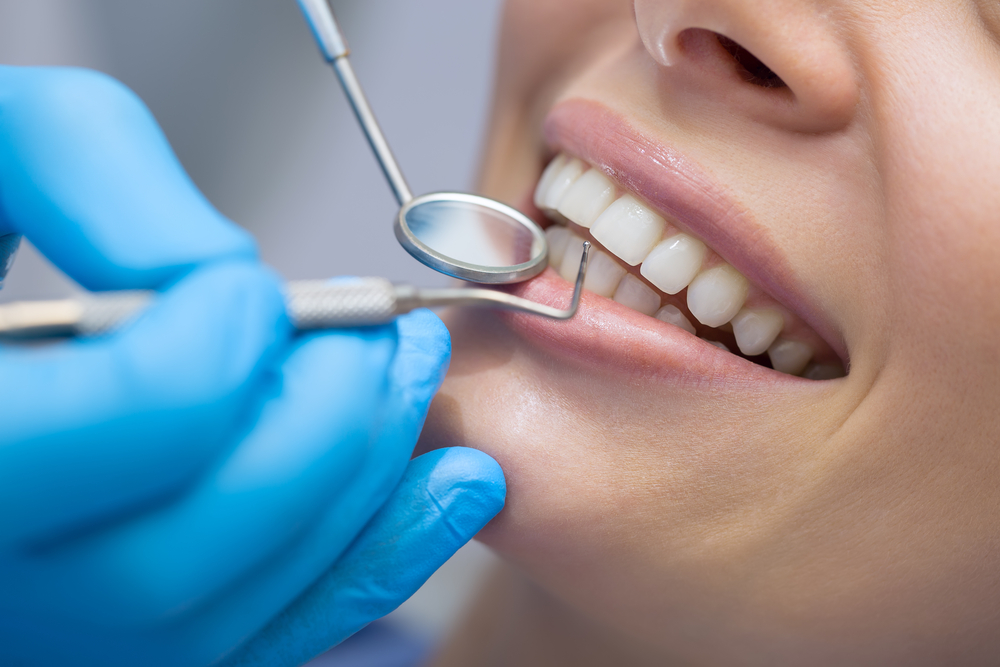
A cracked tooth can cause sudden discomfort, intermittent pain, or sharp pain when biting down. In some cases, the crack may be barely visible, yet the symptoms can significantly affect your daily life and oral health. At Caring Dental, we provide thorough evaluations and personalized treatment options to protect your natural tooth and prevent further damage.
Dr. Wendy Rose-Hyatt, Dr. Jake Hyatt, and Dr. Allyson Hyatt are committed to early diagnosis and effective dental treatment for cracked teeth. Serving families throughout Middle River, MD, our team uses advanced techniques to locate the crack and recommend the most appropriate treatment to restore comfort and function.
What Are the Main Symptoms of a Cracked Tooth?
One of the challenges of diagnosing cracked teeth is that symptoms can vary depending on the type of crack and how deep it extends into the layers of the tooth.
Common signs and signs of damage may include:
- Sharp pain when biting or chewing
- A painful response to cold substances or hot drinks
- Intermittent pain that comes and goes
- Sensitivity along the gum line
- Discomfort when releasing pressure after biting
Some patients experience cracked tooth syndrome, where pain occurs only under certain conditions, making it harder to pinpoint the affected tooth. If you notice signs of a cracked tooth, seeking prompt dental services is a good idea to prevent further damage.
How Can I Tell If My Tooth Is Cracked or Just Chipped?
A chipped tooth often affects only the surface of the tooth or tooth enamel and may not cause significant discomfort. Minor cracks such as craze lines — faint vertical lines in the tooth’s enamel — are usually cosmetic and do not require treatment.
However, a fractured tooth or incomplete tooth fracture that extends beyond the crown of the tooth and into the middle layer of the tooth can involve the dental pulp, blood vessels, and nerve tissue. This type of crack often causes tooth pain or sensitivity.
Our dentists in Middle River perform bite tests, evaluate your dental history, and examine the surface of your tooth to determine whether you are dealing with minor cracks or a deeper dental problem requiring immediate care.
What Causes a Tooth to Crack?
There are several common causes of tooth cracks. Understanding these risk factors can help protect your oral health.
Common causes include:
- Biting down on hard foods
- Ice chewing
- Uneven bite pressure
- Large fillings or large dental fillings that weaken the tooth structure
- Dental trauma from accidents or sports injuries
- Age-related wear and tear
When a crack forms, it may begin in the chewing surface and gradually extend toward the root of the tooth. Over time, untreated cracks can progress to a split tooth or lead to tooth loss.
Types of Cracks in Teeth
Not all cracked teeth are the same. The type of crack influences both symptoms and treatment options.
Craze Lines
These are superficial cracks affecting only the tooth enamel. They typically require no treatment and do not pose a threat to oral health.
Fractured Cusp
A fractured cusp often occurs around a filling and affects a portion of the tooth. It may cause discomfort, but usually does not involve the dental pulp.
Cracked Tooth
This type of incomplete tooth fracture extends from the chewing surface toward the root of the tooth. Early diagnosis improves the chances of saving the natural tooth.
Split Tooth
A split tooth occurs when a crack fully divides the tooth into distinct segments. In severe cases, tooth extraction may be necessary.
Is It Possible to Save a Tooth After It Has Cracked?
Early diagnosis and timely dental treatment significantly improve the likelihood of saving a natural tooth. If the crack has not extended into the root of the tooth or compromised the blood vessels, restorative treatments can stabilize the tooth.
However, if infection develops inside the dental pulp, root canal therapy or endodontic therapy may be necessary to eliminate bacteria and relieve tooth pain. The sooner you seek care in Middle River, MD, the better the outcome is likely to be.
Can a Cracked Tooth Heal Without Dental Treatment?
Unfortunately, a cracked tooth cannot heal on its own. Unlike minor injuries to soft tissues, tooth fractures do not repair naturally. Ignoring the problem may allow bacteria to enter the crack, increasing the risk of infection and further damage.
Without treatment, the crack can deepen, potentially leading to severe pain, gum line inflammation, or tooth loss.
What Treatments Are Available for a Cracked Tooth?
Treatment depends on the type of crack and how deeply it extends into the layers of the tooth. Our team carefully evaluates each case to determine the most appropriate treatment.
Possible treatment options include:
- Dental bonding: For minor cracks, dental bonding can seal and protect the surface of your tooth.
- Dental crown: A dental crown may cover the crown of the tooth, restoring strength and protecting against further damage.
- Root canal therapy: If the crack reaches the dental pulp, root canal treatment may be required to remove infected tissue and preserve the treated tooth.
- Tooth extraction: In severe cases, such as a split tooth, removing the tooth may be necessary to prevent infection and protect surrounding gum tissue.
After tooth extraction, replacement options such as a dental bridge or dental implant can restore function and prevent tooth loss from affecting your bite.
Diagnosing a Cracked Tooth
Diagnosing tooth fractures often involves a careful visual exam, bite tests, and a review of your dental history. Because cracks may be microscopic or hidden beneath the gum line, identifying their exact location can require detailed evaluation.
Our dentists use advanced diagnostic tools to detect subtle signs of damage and determine the appropriate course of action.
Patients in Middle River, MD, trust our team to provide thorough assessments and personalized care for complex dental concerns.
Protecting Your Teeth from Future Cracks
Preventive care plays an important role in reducing the risk of cracked teeth. Consider these tips:
- Avoid chewing ice or extremely hard foods
- Wear a mouthguard during sports
- Address uneven bite concerns
- Replace worn fillings when needed
- Maintain regular dental checkups
Protecting your tooth’s enamel and addressing dental trauma promptly can help prevent future cracks and maintain strong oral health.
Compassionate Care for Cracked Teeth
A cracked tooth can be painful and concerning, but effective treatment options are available. At Caring Dental, we focus on preserving your natural tooth whenever possible while relieving discomfort and restoring strength.
If you are experiencing signs of a cracked tooth, do not wait for symptoms to worsen. Call us at 410-687-2777 to schedule an appointment! Our team in Middle River, MD, is here to provide expert care and help you protect your smile for years to come.
Frequently Asked Questions
Is a cracked tooth always painful?
No, a cracked tooth is not always painful. Some cracks are very small or only affect the outer layer of the tooth, which may not cause noticeable discomfort. Even without pain, the crack can still worsen over time if it is not evaluated and treated.
Can a cracked tooth get worse if I keep chewing on it?
Yes. Daily chewing can place pressure on the crack and cause it to spread deeper into the tooth. Avoid chewing on the affected side to reduce stress on the tooth until it can be examined by our dentist.
How do dentists determine how serious a crack is?
Dentists use a combination of visual examination, bite tests, and imaging to evaluate the depth and location of a crack. In some cases, the extent of the damage is not fully visible until the tooth is closely assessed in person.
Can a cracked tooth become infected?
Yes. If a crack extends deeper into the tooth, bacteria can enter and reach the inner tissue. This can lead to infection over time if the tooth is not treated, which is why early evaluation is important even if symptoms seem mild at first.
Should I avoid hot or cold foods if I have a cracked tooth?
Yes. Temperature changes can sometimes trigger sensitivity or discomfort in a cracked tooth. Avoiding extremely hot or cold foods and drinks may help reduce irritation until your dentist can assess the tooth.