
 Dr. Wendy Rose-Hyatt
 Dr. Jake Hyatt
 Dr. Allyson Hyatt
 Dr. Naomi Trause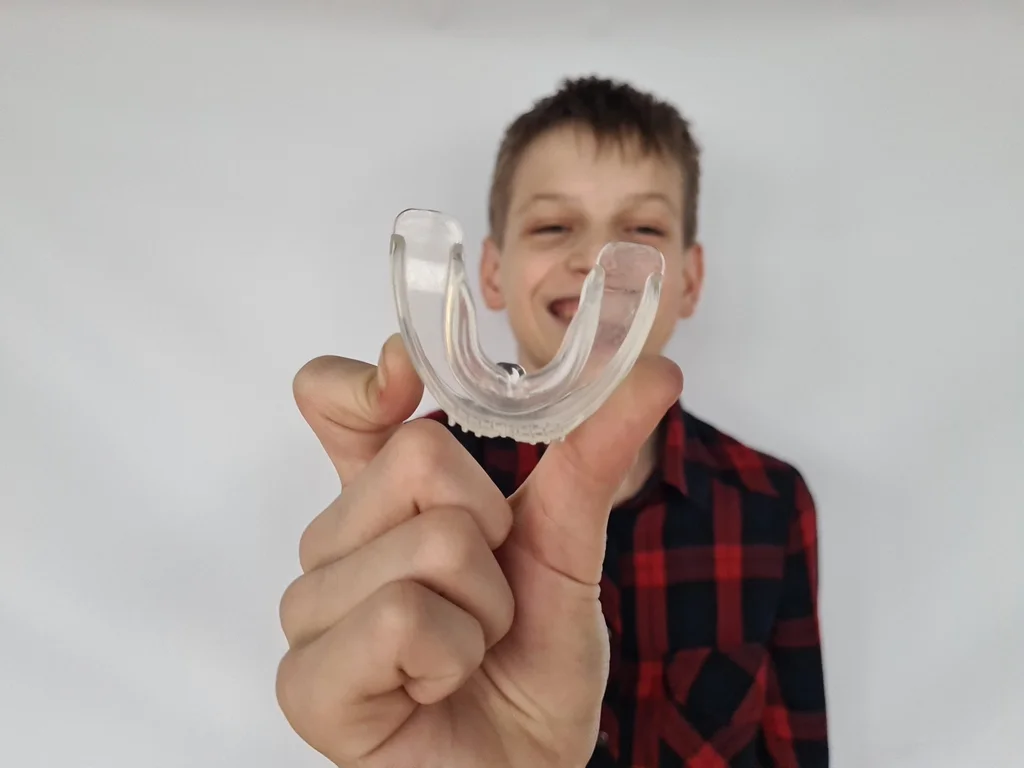
As fall practices begin, it’s common to pull out last season’s gear and hope it still works. Mouthguards are often overlooked, especially if your child used the same one all summer. A good habit for September is checking whether your child’s athletic mouthguard for sports still fits properly, as growing bodies often mean changing teeth.
Fit is crucial for comfort, confidence, and protection. The American Dental Association recommends mouthguard use for athletes of all ages. For kids, growth spurts, losing baby teeth, and new permanent teeth can alter how a mouthguard fits. If you’re unsure what to look for, our team at Caring Dental in Middle River, MD, can evaluate the fit during a preventive visit and help you plan for a safe sports season.
Why can a kids mouthguard for sports stop fitting between seasons?
Kids grow quickly, and their mouths change just as fast. Tooth eruption, spacing changes, and orthodontic movement can all affect how a mouthguard fits. Even if your child says it feels “fine,” subtle changes can lead to a poor fit, reducing protection during play.
Sports also wear mouthguards down. Chewing on them, leaving them in hot cars, or tossing them into gear bags can cause warping. Over time, these small issues add up, and a mouthguard that once felt secure may start to shift or feel bulky.
Does my child’s mouthguard still fit? A quick at-home checklist
You don’t need special tools to check a mouthguard at home. Look for stability, comfort, and a shape that matches your child’s current bite. A well-fitted mouthguard should stay in place and allow for easy breathing and talking during practice.
Signs your child may need a replacement include:
- It feels loose or falls out easily. A good fit shouldn’t require constant biting to stay in place.
- Your child keeps repositioning it. Frequent adjustments may mean it no longer matches their bite.
- You see signs of wear. Look for thinning areas, tears, rough edges, or bite marks.
- It looks warped. Heat exposure can distort the material.
- It feels tight. Growth spurts or new teeth can make it feel snug.
- Your child reports irritation. Rubbing against gums, cheeks, or lips can cause discomfort.
- It has a persistent odor or discoloration. Bacteria can build up in older mouthguards.
If you notice any of these issues, it doesn’t mean something is “wrong.” It simply means your child’s mouth is changing, and it may be time for an updated mouthguard.
Which sports should prompt a mouthguard check?
Parents often think of football first, but many activities carry a risk of dental injuries. Collisions, falls, and equipment can all cause oral injuries. Mouthguards are recommended for contact sports and activities involving speed, close quarters, or frequent falls.
Consider a mouthguard check if your child participates in:
- Football, lacrosse, hockey, or rugby
- Basketball, soccer, or baseball
- Gymnastics, skateboarding, or mountain biking
- Martial arts or boxing-style training
Even non-collision sports can pose risks during busy practices and games. Starting the season with a well-fitted mouthguard protects your child’s smile and your peace of mind.
Types of mouthguards: how the main types affect fit and protection
Understanding the main types of mouthguards can help you choose the best option for your child’s needs. Mouthguards are typically grouped into three categories:
Stock mouthguards: Pre-formed and available at sporting goods stores, these are often bulky and may fit poorly, reducing protection. Kids may need to clench to keep them in place.
Boil-and-bite mouthguards: These soften in hot water and are molded by biting down. They offer a better fit than stock options but can lose shape with repeated use, chewing, or heat exposure. Changes in your child’s teeth can also affect the fit.
Custom mouthguards: Made in a dental office using impressions of your child’s teeth, these provide a close, stable fit. They support comfort, speech, and consistent protection, making them ideal for frequent or high-impact sports.
Your dentist can help you compare options and choose the best mouthguard for your child’s age, sport, and preferences.
Why does a properly fitted mouthguard help reduce the risk of dental injuries?
A well-fitted mouthguard stays securely over the teeth, cushioning impacts and distributing force. This reduces the risk of injuries like chipped or cracked teeth, soft-tissue cuts, and more serious trauma. A loose mouthguard can shift at the wrong moment, leaving teeth unprotected or creating a choking hazard.
Fit also affects compliance. Kids are more likely to wear a mouthguard that feels comfortable and doesn’t interfere with communication on the field. Consistent use is one of the simplest ways to lower the risk of injury throughout the season.
What should I do if the mouthguard is uncomfortable or seems loose?
Start with a calm conversation and a quick visual check. Ask your child where it feels “off” and look for signs of warping, thinning, or rough edges. If it’s a boil-and-bite mouthguard, it may have lost its shape or no longer matches your child’s teeth.
Avoid reheating the mouthguard unless the product instructions allow it. Overheating can worsen the fit. If the mouthguard no longer seems right, bring it to your next dental visit. We can evaluate the fit and discuss options for a replacement.
Proper care tips: help your child’s mouthguard last longer
Daily care can extend the life of a mouthguard and support dental health by limiting bacteria and odors. Follow these simple steps:
- Rinse the mouthguard with cool water after use.
- Brush it gently with a toothbrush and mild soap.
- Let it air dry completely before storing.
- Store it in a ventilated case, not loose in a sports bag.
- Keep it away from direct sunlight and heat sources.
- Bring it to dental appointments for fit checks and wear assessment.
These habits are quick, easy, and realistic for busy families.
How Caring Dental in Middle River, MD can help before the season starts
A mouthguard check is a natural part of preventive dentistry, especially at the start of fall sports. During a comprehensive evaluation, our dentists can assess your child’s teeth, bite, and any changes that may affect fit. If your child already has a mouthguard, we’ll check whether it still provides proper protection.
If a new mouthguard is needed, we offer custom options made from impressions of your child’s teeth. This personalized approach ensures a secure, comfortable fit, whether your child plays occasionally or practices regularly.
Ready to check your child’s mouthguard before fall sports?
If you’re unsure whether your kids mouthguard for sports still fits, we’re here to help. Caring Dental provides athletic mouthguards and preventive care for families in Middle River, MD, as well as nearby White Marsh and the Baltimore area. Contact our office to schedule an evaluation, bring your child’s current mouthguard, and we’ll help ensure their smile is protected this season.